




Crypto cards get marketed as the moment digital money finally grows up: tap your card, spend your Bitcoin, walk out with coffee. For some people it genuinely delivers. For others, it quietly costs more than it is worth, and the difference comes down to a few things most sign-up pages do not put front and center.
Before you link a card to your wallet, it helps to understand what you are getting and what you are giving up. This is a straight look at the trade-offs, so you can decide whether a crypto card fits the way you spend.
What a Crypto Card Actually Is
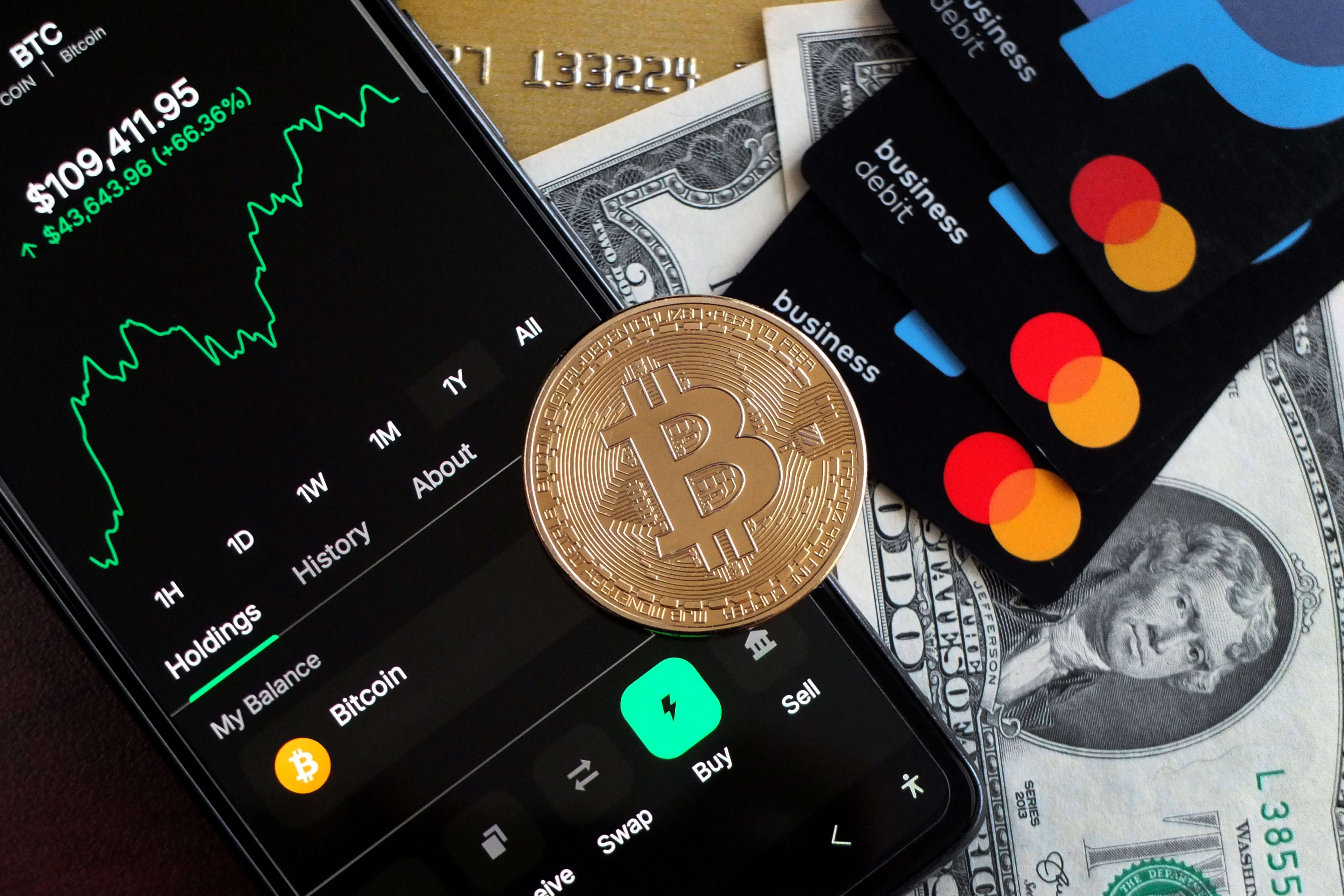
A crypto card is a debit or prepaid card that lets you pay with crypto at regular stores. When you tap it, the card converts just enough crypto to fiat to cover the purchase, and the merchant receives ordinary money without ever touching crypto.
That conversion is the whole trick. It is what lets a Visa or Mastercard terminal, which knows nothing about blockchains, accept a payment funded by your digital assets. The card is a bridge between the crypto you hold and the everyday economy that still runs on dollars and euros.
The Case For Getting One
The appeal is real, and for the right person it is strong. The main draws tend to be:
Spendability. You can use crypto anywhere the card network is accepted, which is almost everywhere.
No manual cashing out. You skip the exchange-sell-withdraw dance every time you want to spend.
Rewards. Many cards offer cashback, sometimes paid in crypto.
Speed. Spending feels identical to a normal tap, with the conversion happening instantly.
This is where picking the right product matters. Options like the Oobit Crypto Card are built around letting you spend directly from your own wallet rather than parking funds on an exchange first, which changes both the convenience and the control you keep over your money. The specific card you choose shapes the entire experience, so the brand is not a detail to skip past.
The Costs Hiding in the Fine Print
Here is where the glossy sign-up page goes quiet. Crypto cards carry costs, and they are easy to miss because many are baked into the exchange rate rather than shown as a fee.
Cost | What to watch for |
|---|---|
Conversion spread | A margin added to the exchange rate, often invisible on the receipt |
Transaction fee | A percentage per purchase, commonly 0.5 to 2 percent |
Foreign exchange | Extra charges when spending outside the card's base currency |
ATM withdrawals | Usually the steepest fees of all |
Monthly or tier fees | Charged on cards that offer cashback or higher limits |
None of these is outrageous alone. Stacked together on a card used daily, they add up faster than most people track. Read the fee schedule, not the marketing page.
The Tax Catch Most People Miss
There is a second cost that has nothing to do with fees, and in many countries it is larger than all of them combined.
In a lot of places, selling or spending crypto counts as a taxable event, treated much the same way as selling a stock at a gain would be. As Investopedia's overview of what you can actually buy with Bitcoin points out, the easiest way to spend crypto is a card that quietly converts it to fiat behind the scenes, and it is that very conversion that counts as a disposal. Buy lunch forty times in a month and you may have generated forty small taxable events, each needing a cost basis if the tax authority ever asks. This is not a reason to avoid cards, but it is an administrative tail worth knowing about before you spend daily. Rules vary widely, and some places have small-transaction exemptions, so check your own before assuming either way.
Who a Crypto Card Actually Suits
Put the pros and cons together and a pattern appears. A crypto card makes the most sense if you genuinely want to spend crypto as money, you value the convenience over squeezing out every last cent, and you live somewhere the tax treatment is manageable.
It makes less sense if you are mostly a long-term holder who rarely spends, or if you are highly fee-sensitive and would rather cash out in one larger, cheaper transaction. The card is a spending tool, and it rewards people who actually spend. This fits the broader shift in how cryptocurrency is changing digital payments, where the goal is less about trading and more about using crypto for ordinary, everyday purchases.
How to Decide
If you are leaning toward getting one, a few checks separate a good decision from a regretted one. Look at the real conversion cost, not just the headline fee. Confirm whether any cashback actually offsets a monthly charge at your spending level. Check the foreign exchange treatment if you travel, and decide whether you want a card tied to an exchange balance or one that spends from a wallet you control.
Answer those honestly and the choice usually makes itself.
The Takeaway
Are crypto cards worth it? For someone who wants to spend crypto in daily life and cares more about convenience than shaving every fee, yes. For a long-term holder who rarely spends and hates fees, probably not, and a single larger cash-out may serve better.
The card itself is neither good nor bad. What matters is matching the right product and fee structure to how you actually spend, with eyes open about the conversion costs and the tax tail.
Frequently Asked Questions
Do merchants know I paid with crypto?
No. The card converts your crypto to fiat at the moment of purchase, so the merchant receives ordinary money and has no idea crypto was involved. To them it looks like any other card payment.
What is the biggest hidden cost of a crypto card?
The conversion spread. Many cards add a margin to the exchange rate rather than charging an obvious fee, so the cost is baked into the price you see rather than listed as a line item.
Do I owe tax every time I use a crypto card?
In many countries, spending crypto counts as a disposal and may be taxable on any gain, which means each purchase can be a taxable event. Rules vary widely, and some places exempt small transactions, so check your own jurisdiction.
Should I get a card tied to an exchange or my own wallet?
It depends on how much control you want. Cards that spend from a wallet you control keep your assets in your hands until the moment of purchase, while exchange-linked cards require parking funds on the platform first.