




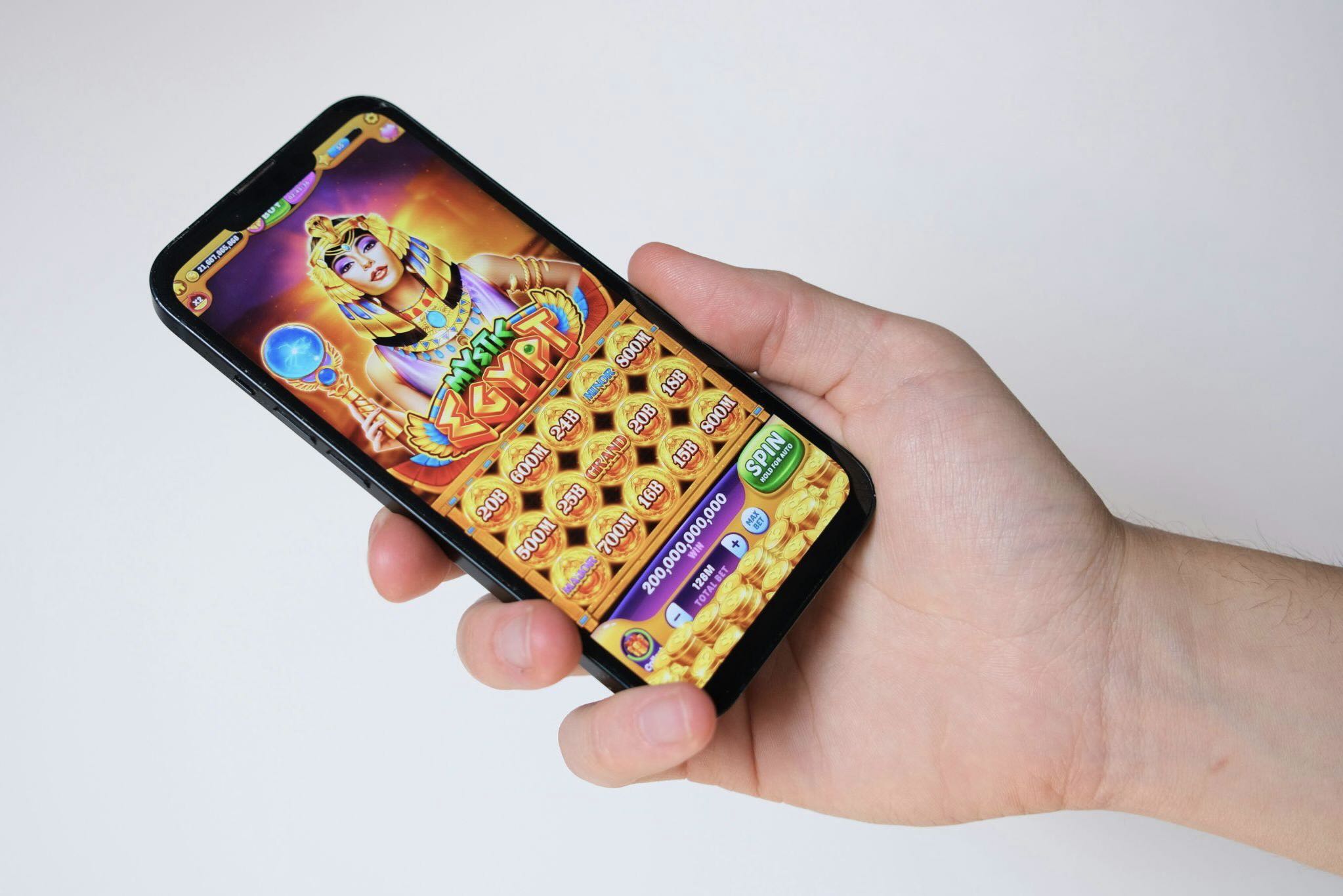
Non-fungible tokens, or NFTs for short, are moving into practical roles inside online casino games. Instead of existing only as profile pictures or tradable artwork, NFTs are now used to represent in-game items, exclusive access rights, and persistent player identities. For casinos experimenting with Web3 technology, they offer a way to combine verifiable digital ownership with familiar gambling formats.
How NFTs Change the Online Casino Experience
NFT integration is gradually reshaping how digital casinos structure identity, ownership, and access. Instead of functioning only as line items inside an account, NFTs can represent unique avatars, collectible chip designs, or entry passes to special tournaments. These tokens exist on a public blockchain, which means their attributes and histories can be verified independently of any operator, adding a layer of transparency around digital items. When a player joins trusted Vegas online casino platforms that experiment with these features, the NFT becomes part of a broader system where cosmetic elements and access rights can move with the user rather than being locked to a single profile. In many implementations, NFTs function as access passes that unlock private rooms, bonus tables, or themed events. Instead of issuing a short-term promotion, the casino can mint tokens that grant entry to a specific experience.
NFTs as Avatars and Collectible Items
One common use of NFTs in casino environments is the tokenization of cosmetic elements. A poker room might issue animated avatars that react at the table, while a slots lobby could feature branded reel symbols linked to limited collections. These items do not change the odds of any game, but they give players a stronger sense of identity and status when they sit down to play.
How the Technology Works Behind the Scenes
Casino-related NFTs are usually built on blockchains such as Ethereum, Polygon, or other networks that support smart contracts. Each token is defined by code that specifies its properties, including artwork, rarity, and any associated rights. The casino platform reads these details through blockchain integrations, then mirrors them in its own interface.
The casino games still rely on number generators and regulated payout rules. The presence of an NFT does not alter the mathematical fairness of a slot spin, a hand of blackjack, or a roulette result. NFTs sit on top of the existing game layer as an ownership and access system, while regulators focus on confirming that game mechanics remain fair and independent of external assets.
How NFTs Differ From Traditional In-Game Assets
Conventional in-game items usually exist only within a single platform and are controlled by the operator’s servers. If an account is closed or a game is retired, those items typically disappear. NFTs, by contrast, remain on the blockchain even if a casino changes its catalog or ends a promotion. A player can store the token in a personal wallet or view it through third-party tools.
This portability is one reason NFTs attract interest in online gambling. Casinos can collaborate on shared collections or tournaments where the same token grants benefits in multiple environments. At the same time, it introduces questions about custody, security, and secondary markets that operators must address through clear terms and user education.
Current Trends and Experimental Implementations
Most NFT integrations in online casino games remain experimental and optional. Some platforms test small collections tied to launch events, invitation-only tournaments, or loyalty milestones. Others are building Web3-focused casinos where cosmetic elements, from table backdrops to dealer characters, can be owned as NFTs. Another emerging idea is the dynamic NFT, whose appearance or metadata changes based on player activity. A token updates to reflect how many tournaments a player has entered, creating a visible history tied to specific items.
Impact on Player Experience and Engagement
For players, NFT-based systems can make online casino games feel persistent and personalized. Instead of logging in to a blank profile, they can bring avatars, access passes, and collectibles into each session. The ability to trade or gift certain items adds a social layer for players who enjoy collecting and showing off designs.
However, NFTs also add complexity. Players need to understand how wallets work, how to keep tokens secure, and how to distinguish official casino collections from unrelated projects. Responsible operators are responding by making Web3 features optional and explaining what NFTs do and do not change about the underlying games.
Final Thoughts
As the technology matures, NFTs are likely to remain a complementary layer rather than the core of online casino design. They offer ways to represent ownership, access, and identity, while the fundamental game mechanics continue to be driven by regulated software and established rules. Seeing NFTs through this lens helps players treat them as digital objects that add flavor and creativity to casino experiences instead of as guarantees of value or success.