




As we navigate the first quarter of 2026, the digital asset landscape is no longer just about tracking price action or sniping new token launches. The focus has shifted toward functional utility, particularly in how crypto-native communities interact with high-performance entertainment sectors. For the active participants on platforms like CoinSniper, the conversation has moved beyond "memecoin season" and into the tactical integration of on-chain assets with the established world of regulated gaming.
This isn't just a trend; it's a structural evolution. In 2026, the barrier between "Smart Money" and "Licensed Play" is dissolving as technical standards for security and transparency reach parity across both sectors.
The "Zero-Latency" Requirement
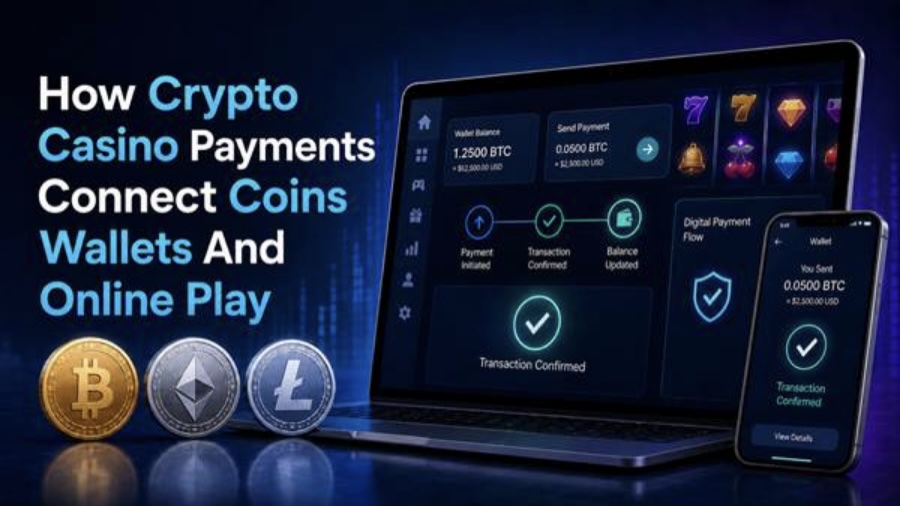
The most significant shift this year is the demand for Instant Liquidity. In 2024, waiting 48 hours for a bank wire was tolerated; in 2026, it is a legacy failure. Community members who are used to the 5-second finality of Solana or the near-instant settlement of Layer-2 rails expect that same velocity when engaging with external platforms.
This demand is driving a massive pivot toward licensed wagering options that have integrated Real-Time Payment (RTP) and FedNow rails. By utilizing these licensed frameworks, participants gain two critical advantages that gray-market sites cannot match:
- Legal Recourse: Verified audit trails that are enforceable under local jurisdictions.
- Biometric Settlement: Authorized payouts that trigger via on-device passkeys, moving funds from "Win to Wallet" in under 60 seconds.
Regulatory Clarity: The MiCA and GENIUS Act Impact
The 2026 meta is defined by the aftermath of major legislative wins like the GENIUS Act in the US and the full enforcement of the MiCA framework in Europe. For the first time, we have a clear "Traffic Light" system for how digital assets can be used as collateral or payment in regulated gaming environments.
We are seeing a rise in Institutional Grade Wagering, where platforms are required to provide Proof of Reserves (PoR). This allows a community member to verify that the platform actually holds the underlying liquidity to cover all winning positions—a level of transparency that was previously the exclusive domain of DeFi protocols.
The Shift from Anonymity to "Inherence"
For years, the crypto community prioritized pure anonymity. However, in 2026, the focus has shifted toward Sovereign Identity. Instead of a cumbersome KYC process involving selfies and utility bills, the new standard is the Inherence-Factor.
This utilizes a tiered authentication system where:
- Possession-Factor: Your hardware-bound private key (stored in a device's Secure Enclave).
- Inherence-Factor: A 3D facial depth map or sub-display ultrasonic fingerprint scan.
This "Zero-Trust" architecture allows community members to access licensed platforms without sharing their raw personal data, using cryptographic proofs (ZK-proofs) to verify age and residency. This protects the user’s privacy while ensuring the operator remains compliant with global AML (Anti-Money Laundering) standards.
Tactical Execution: Managing the Multi-Asset Portfolio
The modern CoinSniper regular isn't just holding one asset; they are managing a diversified portfolio of stablecoins, blue-chips, and utility tokens. The 2026 gaming meta reflects this complexity. We see a significant portion of "Smart Money" flowing into Stablecoin-Native Wagering.
By using USDT or USDC as the primary wagering unit, participants can engage in high-limit markets without the 15% intraday volatility risks associated with BTC or ETH. This has turned licensed wagering into a tactical "parking lot" for capital during periods of market consolidation, allowing users to generate "entertainment alpha" while waiting for the next major breakout on the charts.
2026 Performance Metrics to Watch:
- Payout Velocity: Settling in under 2 minutes is the new "B-Tier" standard.
- Network Fees: Total transaction costs must remain <1% of the total movement.
- Audit Transparency: Real-time, on-chain verification of the "House Edge" to ensure mathematical fairness.
The Bottom Line
The 2026 landscape is about Verification over Trust. The move toward licensed wagering options isn't a retreat from the "crypto ethos" it's an expansion of it. By forcing regulated platforms to adopt the speed, transparency, and security standards of the blockchain, the community is effectively upgrading the entire financial system.
Whether you are sniping the next big launch or locking in a tactical position on a Sunday Night Football spread, the objective remains the same: High-Velocity Sovereignty.