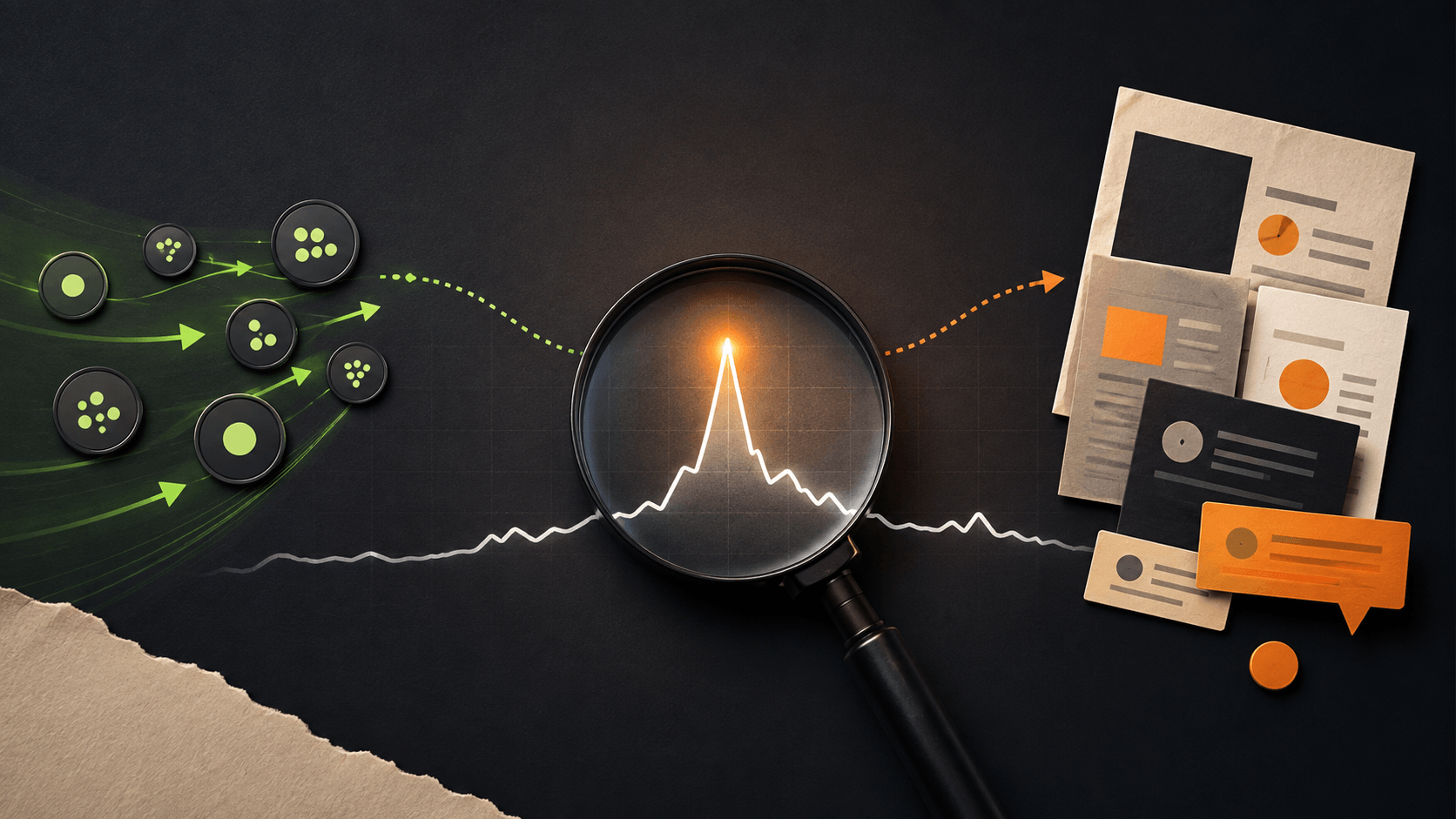





If you hang around traders long enough, you will spot the same thing over and over. Everyone seems sure their biggest challenge is strategy. Most still think: If I get just one more indicator, or see one more video, or try one more setup, something will start to work! They feel like they are on a scavenger hunt, collecting indicators and strategies as if the next one might finally change everything. Here is the truth: most people’s losses have very little to do with strategy at all. Most mistakes start and end with behavior, not market analysis. The charts are rarely the problem.
The Search for the Perfect Strategy Never Ends
There is nothing wrong with wanting to get better at the system you are currently running. The markets do not remain stable, and if you plan to trade long-term, you must constantly stay educated. In reality, changing strategies after only a few trades usually creates more confusion. Any strategy worth considering needs time to demonstrate whether it actually works. Even the best traders do not win all their trades. Every good trader has some rough times.
Instead of sticking to the strategy and verifying if they are indeed following their set of rules, most traders lose their cool and put the blame on the system. A couple of rough positions, and they move to a brand-new strategy. This cycle never stops. Chasing the “perfect” system keeps traders far away from really understanding where things went wrong.
Unrealistic Expectations Distort Decision-Making
Thanks to social media, the trading world is basically an endless highlight reel. Whether traders focus on stocks, foreign exchange, or trade Bitcoin, someone is always posting flashy wins and skipping over discipline, losses, and how long real success can take.
The constant stream of get-rich-quick stories twists your perception of normal. The relentless pursuit of such quick gains results in sloppy execution, excessive leverage, and extreme lack of patience. However, the market doesn’t care. The get-rich-quick trades are short-lived. On the contrary, patient traders build consistent trades over time through repetition and slow, steady progress. Practice shows there is no shortcut.
Emotions Influence More Decisions Than Most People Realize
It is difficult to overstate how much fear and greed influence trading decisions. Fear cuts profits short. Traders get so anxious that a gain of a fraction makes them bail. Yet that same fear keeps them glued to their losers, hoping things will magically turn around instead of taking the loss as they planned.
Greed does something else. After a few successful trades, confidence grows quickly. Suddenly, risk management becomes less important, positions get bigger, and traders act like they can outsmart the market every time. Strategies are not the culprit here. Emotions are. So, recognizing emotional triggers is often the first step toward controlling them.
Poor Risk Management Creates Avoidable Losses
Risk management is one of the least exciting topics in trading, which may explain why so many people ignore it. You can pick the perfect entry, but if you push too much capital onto one trade, all it takes is one bad decision and weeks of solid work vanish. That is the harsh reality.
Pros get this. They will impose rigorous limits on how large their positions can be, how much they are able to afford to lose, and their overall risk tolerance. Despite the fact that limits might sound boring to some, they protect traders from making devastating mistakes. No matter how genius or well put together your strategy may be, it will devolve into a coin game if one has no limits in place.
Process Matters More Than Prediction
A lot of people get obsessed with predicting the next big move. That is not the hard part, though. The tougher and way more important bit is simply sticking to your plan. That means keeping a trading journal, reviewing mistakes, and following your rules every single time. It does not sound as thrilling as trying a new indicator, but these are the steps that actually help you grow. Solid process equals discipline, and the latter brings consistent results.
Bottom Line
People blame strategies all the time. But emotions, wild expectations, ignoring risk, and lack of consistency cause way more pain than the wrong setup ever will. Does strategy matter? Of course. Yet, the best system in the world can’t save you from bad habits.
So, next time things are not working out, you should not just hunt for a new indicator. A better approach would be to examine your own behavior first. Sometimes, the real problem is a lot closer than you think.